
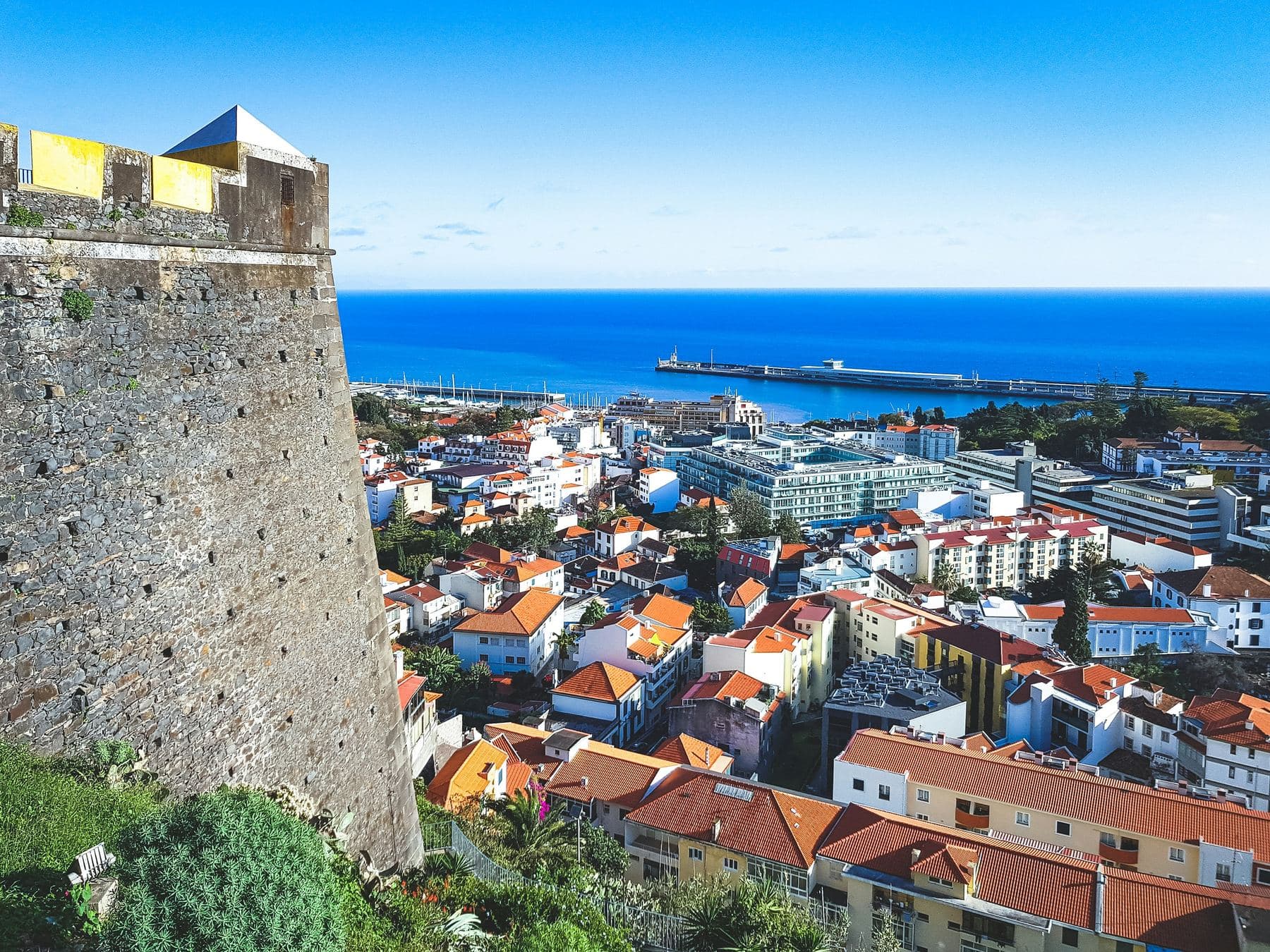
Six centuries in short: discovery in 1419, sugar, wine, and an island that learned to receive visitors.
João Gonçalves Zarco and Tristão Vaz Teixeira, sailing for Prince Henry the Navigator, landed on Porto Santo in 1418 and on Madeira the following year. They found it uninhabited and covered in forest, and named it for that: madeira means wood.
Sugar cane made the island rich in the fifteenth century; it was called white gold, and it paid for the Flemish paintings that still hang in Funchal. When sugar declined, wine took over. Madeira wine travelled so well that it was shipped across the Atlantic for two hundred years.
In the nineteenth century Madeira became a winter retreat for Europeans in search of mild air, and it has been welcoming visitors ever since.
A tipThe caravel with the Cross of Christ on its sails is the ship of those first voyages, and one of the island designs people ask us for.
- Reached by the PortuguesePorto Santo 1418, Madeira 1419
- Settlementfrom about 1425
- Autonomous regionsince 1976
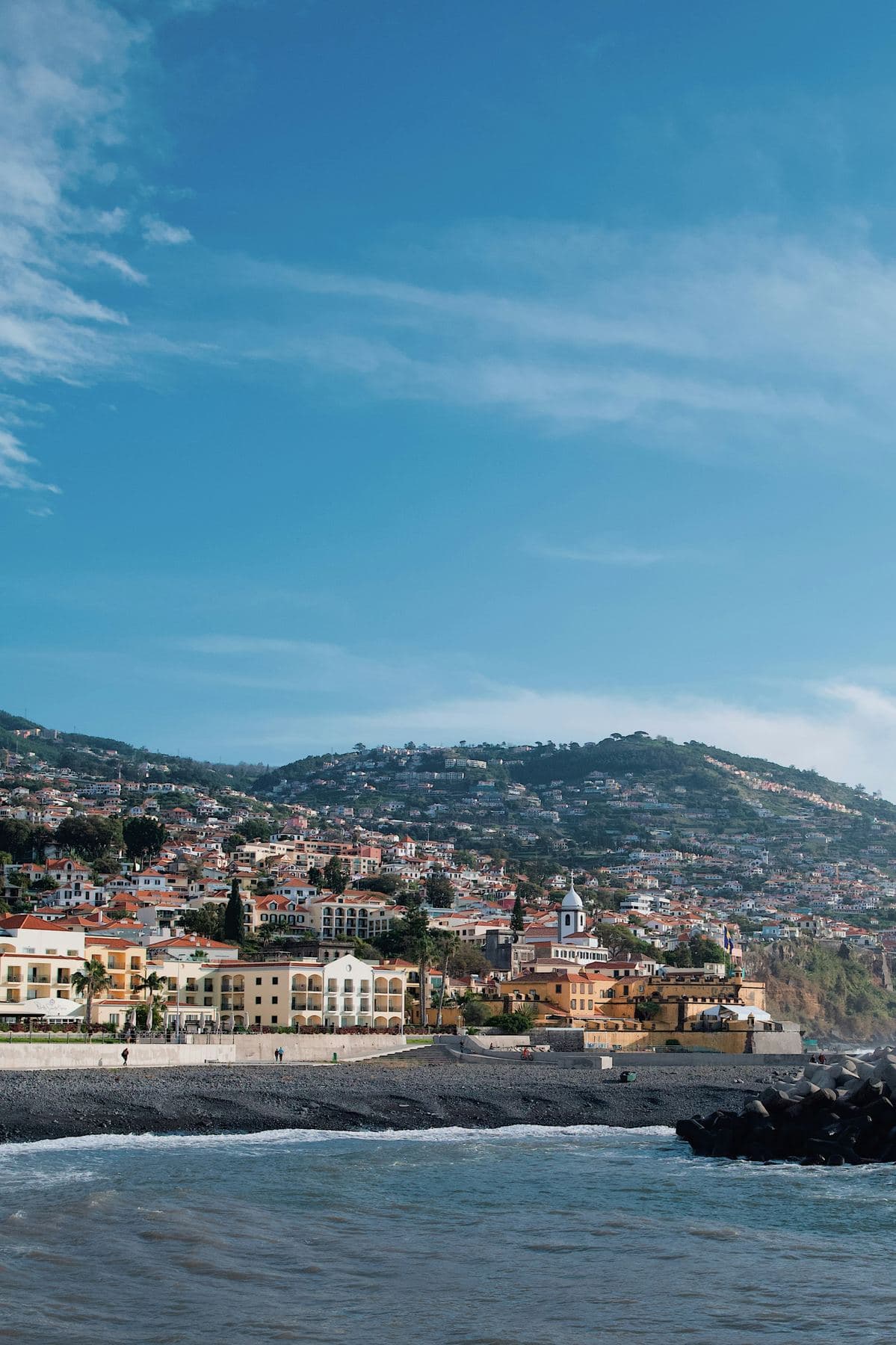
At the end of the route, in Funchal, four artists draw whatever you bring back from the island: a place, a flower, a word, a set of coordinates.
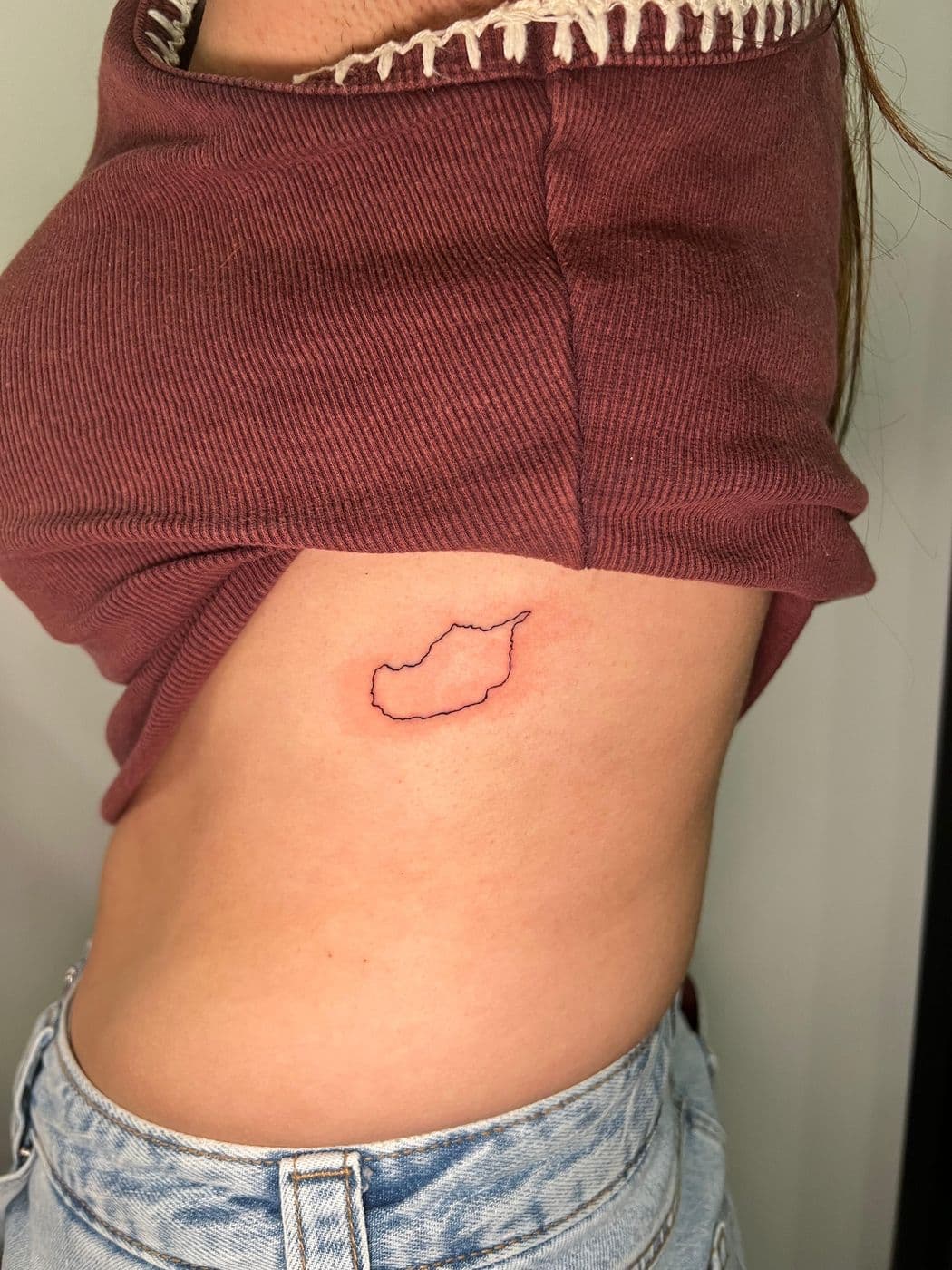
The outline of the island
Madeira in a single line.